
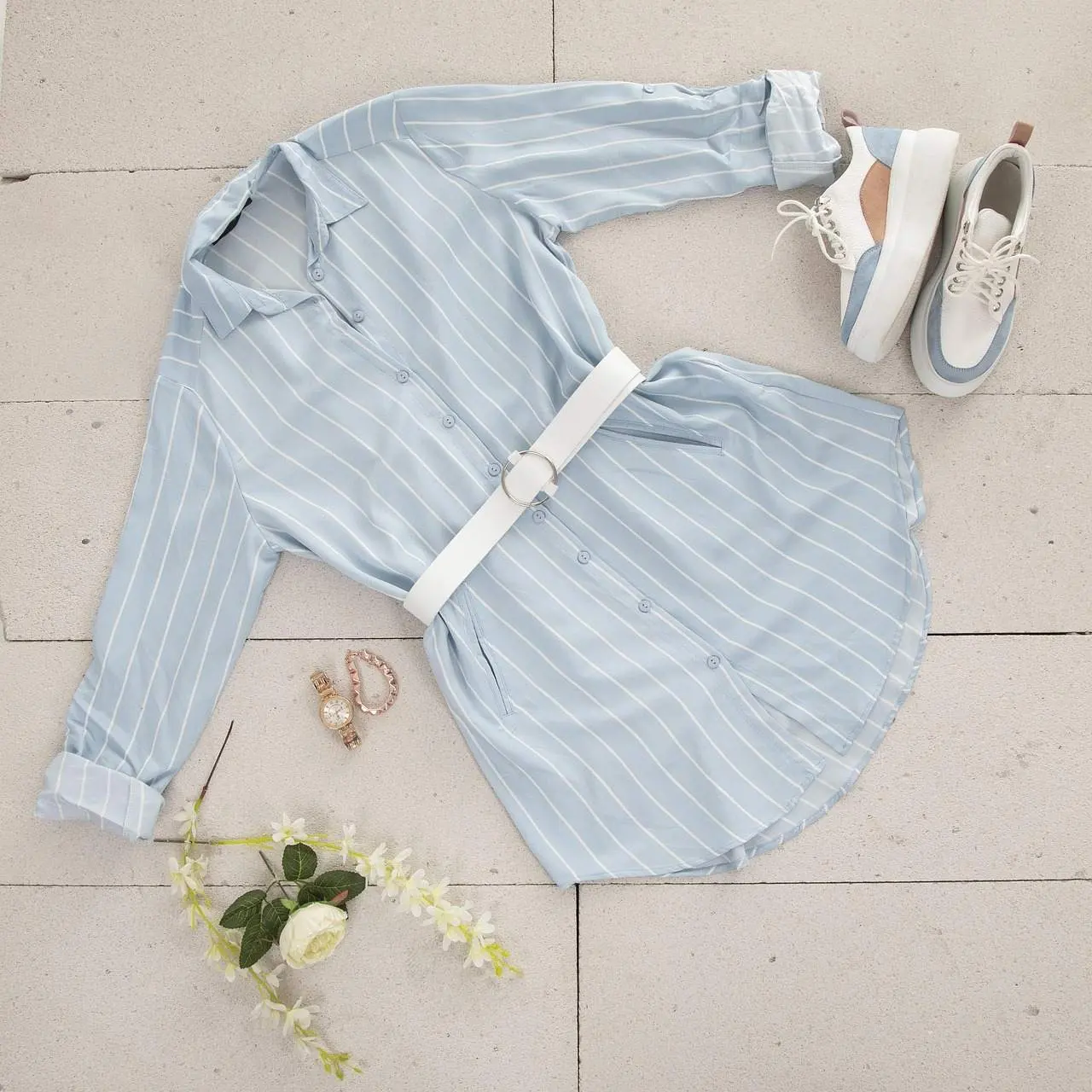
Cold morning, warm afternoon, cool evening: dressing for that is hard. These spring outfit ideas help you cope: layer light pieces you can add or remove, in breathable fabrics.
For more looks through the year, browse our full set of outfit ideas.
| Item | Value |
|---|---|
| Range that spring jackets are bought to cover | Between 38 and 59 degrees |
| Swing to plan accessories for | Ready for 60 degrees or 30 |
| Warmth of a sleeveless gilet | A medium amount of warmth |
| Transitional outerwear picks | Chore coats, shirt jackets and bombers |
| Fabrics that adapt | Cotton twill, brushed flannel, merino wool and lightweight denim |
| Trouser blend with breathability and warmth | A cotton-linen dress pant |
The table draws on Proper Cloth and Moss; temperature ranges are rough guides and can change, so check the sources before you rely on them.
Why is spring so hard to dress for?
A warm day in early March tempts you to pull summer clothes from storage, and a cold snap or a soaked pair of linen pants can follow, as Proper Cloth describes. Its guide treats the crisp morning, the warm afternoon and the cool evening as the real problem to solve.
The answer is not a perfect garment weight. Many wardrobes hold a spring jacket for every temperature between 38 and 59 degrees, yet the same guide says the key is layering rather than finding the exact right weight.
A Who What Wear guide agrees that layering is the key to confusing weather. It adds that shoes and jackets are the trickiest parts to get right.
Build a base you can add to or strip back
A good base is made of pieces that come off easily and go back on when the temperature drops. Proper Cloth suggests combinations like these:
- A henley under a lightweight overshirt.
- A cotton crewneck layered over a button-down.
- A classic Oxford shirt worn under a knit.
A sleeveless gilet is another smart layer, because Moss notes it gives a medium amount of warmth thanks to the lack of sleeves. Wear it over a knit hoodie, or over a T-shirt on warmer days.
For knitwear, lightweight crewneck sweaters in cotton or merino wool give just the right amount of warmth and still slide under a jacket, according to Proper Cloth.
Outerwear that earns its place
Choose a jacket that is heavy enough to keep you warm yet light enough to layer, says Proper Cloth. Its recommended transitional jackets are chore coats, shirt jackets and bombers.
The Who What Wear guide widens the choice with a few lighter options:
- A short-sleeve linen jacket for magnificently warm spring days.
- A windbreaker, which protects you from the elements yet stays light enough for warmer temps.
- A staple denim jacket.

If you like a bit of versatility, Moss shows how a two-piece linen set stretches across the season. You can wear both pieces over a knitted T-shirt or a jumper, or pair the overshirt with a knitted polo and jeans. The same piece also nods to linen being an ideal spring layering fabric.
Trousers, shirts and fabrics that adapt
For bottoms, Proper Cloth points to fabric blends. A cotton-linen dress pant gives the breathability of linen with a bit more warmth, while wool trousers suit chillier evenings without thermal layers.
The same guide lists the materials it considers ideal for in-between seasons:
- Cotton twill.
- Brushed flannel.
- Merino wool.
- Lightweight denim.
When you want maximum airflow, Moss suggests a linen set, or a gilet layered over jersey when you need extra warmth. Pick the fabric that matches the part of the day you will spend the most time in.
Dresses, shoes and accessories
If you prefer a dress, Who What Wear advises a midi length and a tee underneath while there is still a chill in the air. Add one of the light jackets above and the outfit works from breakfast to dinner.
Shoes deserve a moment of thought too, since the same guide flags them as one of the harder parts of spring dressing. A pair that copes with a damp pavement is usually a safer bet than one built for the warmest forecast.
Small extras do a lot of work. A lightweight scarf or a knit cap ties a look together and leaves you ready for 60 degrees or 30, as Proper Cloth puts it.
Three easy outfit formulas for a changeable day
Use these as starting points and swap pieces to suit your own wardrobe:
- Casual: a linen gilet over a knit hoodie or T-shirt, with jeans.
- Smart casual: a henley, a lightweight overshirt and wool trousers, topped with a bomber you can take off.
- Dressy: a midi dress over a tee, a denim jacket and a light scarf.
Once the weather turns properly cold, our winter outfit ideas take the same layering logic to heavier pieces. When heat settles in, our summer outfit ideas strip it back.
Frequently asked questions
Do I need a heavy coat in spring?
Show answer
Usually not. A lighter jacket over a knit does the job on most days, and Proper Cloth favours coats that sit easily over other layers, like a chore coat or a bomber.
Which fabric is best for unpredictable days?
Show answer
It depends on which swing worries you more. Moss picks linen for maximum breathability, while Proper Cloth adds merino wool and brushed flannel for gentle insulation.
Can I wear a dress when it is still chilly?
Show answer
Yes. Go for a midi and slip a tee under it, an approach Who What Wear recommends for days with a lingering chill.
How do I cope when the temperature swings from morning to evening?
Show answer
Keep every layer easy to remove and carry the lightest one with you. A scarf or knit cap in your bag covers the cool evening without adding bulk during the warm afternoon.