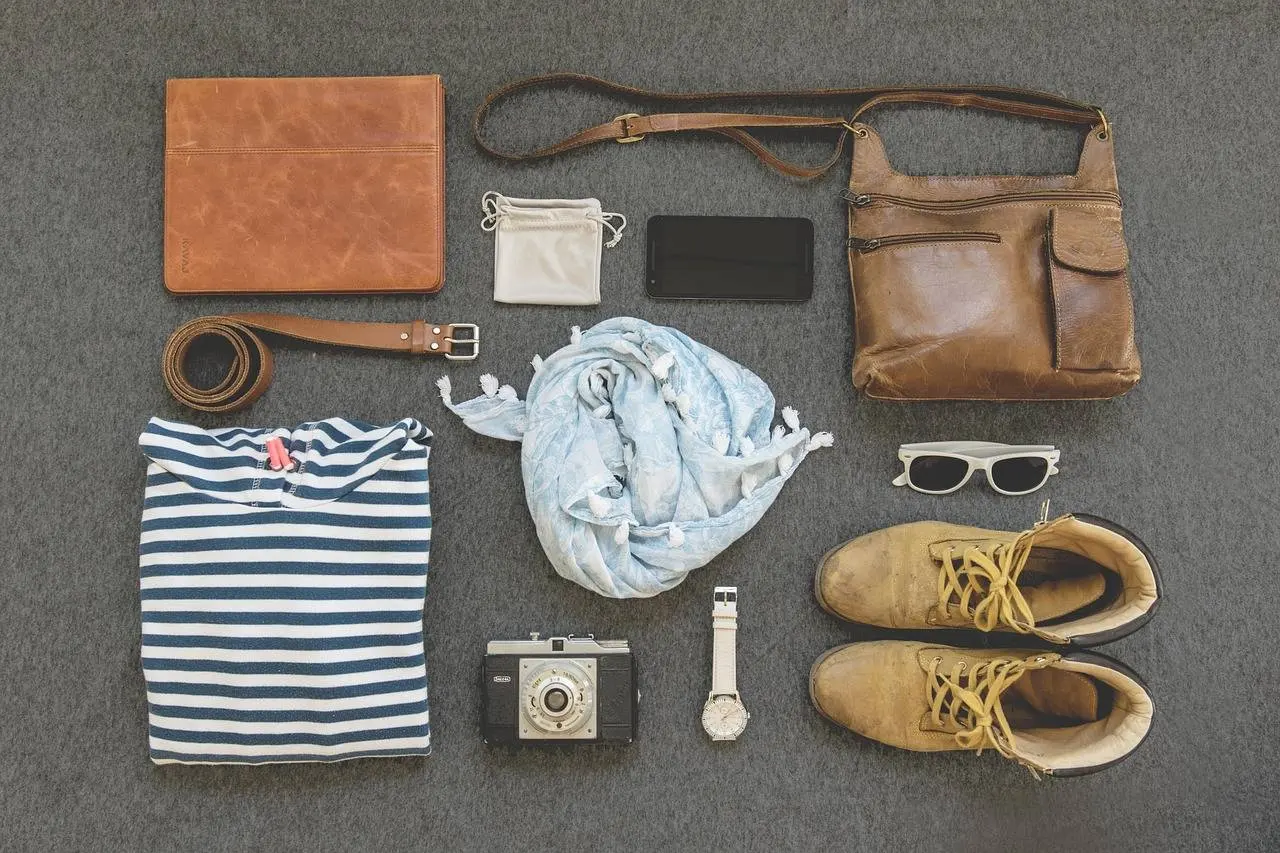

Not sure preppy style still fits your wardrobe? It does: the look is classic Ivy League sportswear kept relaxed, and you can update it with looser fits and mixed pieces.
Preppy is one of the looks covered in the wider guide to types of clothing styles.
| Item | Value |
|---|---|
| Ivy style origin (the base of men’s preppy dress) | Early 1900s |
| Ivy style widespread | By the late 1950s |
| The Official Preppy Handbook published | 1980 |
| Women’s preppy-influenced fashion emerges | 1960s |
| Ivy style falls out of favour | Late 1960s |
These figures come from Wikipedia’s entry on preppy and the Museum at FIT’s Ivy Style page. Sources get revised and histories are summarised loosely, so check the sources before you rely on the figures.
What is preppy style?
Preppy is an American subculture associated with alumni of college-preparatory schools in the Northeastern United States, and the word is short for “preparatory”, as Wikipedia explains. Speech, manners and dress all belong to the picture, but clothes are what most people mean today.
The same entry says the term originates from the private college-preparatory schools that some American upper-class and upper-middle-class children attend.
The Museum at FIT notes that Ivy is now often referred to as preppy. The Gentleman’s Journal calls prep brighter and looser than the Ivy look that came before it.
How preppy style developed
Preppy fashion derives from the dress of old Northeastern schools in the early to mid-twentieth century. For men it overlaps heavily with Ivy style, and Brooks Brothers and J. Press both ran stores on campuses including Harvard, Princeton, Columbia, Yale and Penn, according to Wikipedia.
Sport and the countryside shaped what was sold there. Wikipedia says Ivy adapted sportswear as everyday wear and took in traditional British country clothing, such as the tweed sport coat and brogues.
A rough timeline of the look’s ups and downs:
- Early 1900s: Ivy style originates, and by the late 1950s it is widespread among men (Wikipedia).
- Late 1960s: Ivy falls out of favour, then returns in the 1980s and grows more popular than ever (Museum at FIT).
- 1980s: mass marketing by brands such as Ralph Lauren, Lacoste and Izod pushes Ivy and preppy styles into the mainstream (Wikipedia).
- 1990s: traditional interest generally fades, although newer outfitters keep the look in circulation (Wikipedia).
Lisa Birnbach’s The Official Preppy Handbook, published in 1980, was written to poke fun at privileged college students. It still fed a revival of interest in preppy fashion, as Wikipedia notes.
Classic preppy pieces to know
The Museum at FIT describes Ivy as a small repertoire of classic items, such as Shetland tweed jackets and Oxford button-down shirts, plus madras shorts and khaki pants. That short list is the core wardrobe the rest of the look grows from.

Put together from the lists in the sources below, these are the pieces to start with:
- A navy blazer.
- An oxford-cloth button-down shirt.
- A cable-knit sweater.
- Khaki trousers.
- Penny loafers or boat shoes.
- A repp stripe tie.
- Madras for a splash of colour.
The Gentleman’s Journal names deck shoes, pastel polo shirts, khaki pants, signet rings and navy blazers as key items, and says Bass Weejun penny loafers became the de facto campus shoe. It also says Brooks Brothers and J Press sold sack suits, unpleated flannel trousers, brushed Shetland knitwear and repp stripe ties near Princeton, Yale and Harvard.
Preppy style for women
Female preppy-influenced fashion emerged in the 1960s, led by designers such as Perry Ellis and Lilly Pulitzer and popularised by students at colleges that were sister institutions to the Ivy League. Wikipedia traces its look to a tailored, refined wardrobe.
Its classic ensembles included:
- Tailored skirt suits.
- Low heels.
- Wrap dresses and shift dresses.
- Silk or cotton blouses.
- Jewellery with a refined style.
The same Wikipedia entry says these clothes drew on pastel colours, equestrian details and nautical touches such as Breton stripes.
Modern updates for preppy style
Ivy has lasted for decades because, in the Museum at FIT‘s words, its elements can be tweaked and even upended without losing their spirited essence. That is the permission to adapt it.
Three ways to give the look a current feel:
- Start with one classic anchor, such as a blazer or an oxford shirt, and keep the rest loose.
- Choose a roomier fit, since Monocle notes that silhouettes might be more oversized while the tenets stay unchanged.
- Mix dressy and outdoor pieces, as East Coast high schoolers did in the late 1970s by pairing Oxford-cloth button-downs and corduroy trousers with Norwegian sweaters, goose-down vests and boots (Monocle).
Brands such as J. Crew, Tommy Hilfiger and Vineyard Vines are often perceived as preppy, according to Wikipedia. Naming them here is context, not a recommendation.
If you want a contrast, this guide to bohemian style clothing shows a very different mood. Another neighbouring direction is quiet luxury style, which is worth comparing with a polished blazer-and-loafer outfit.
Frequently asked questions
Do you need to have attended an Ivy League school to dress preppy?
Show answer
No. The Museum at FIT says Ivy style moved from the college campus into international fashion, where a wide range of designers and clothing companies have adopted it. It also notes that after the war the look’s appeal spread beyond the campus to a diverse population that included jazz musicians.
How is preppy different from Ivy style?
Show answer
Think of preppy as the relaxed, youthful offshoot. Wikipedia describes it as a still-more-casual take on Ivy League style, with rugby shirts and boat shoes as examples.
Was the Official Preppy Handbook meant seriously?
Show answer
Not really. Monocle says Birnbach lightly mocked the style in the book, yet it still helped spread the look across the US.
Does preppy style show up on runways?
Show answer
Yes. Monocle reports that brogues, shirts and knitwear feature regularly on the runways of luxury houses such as Prada, Dries Van Noten and Dior.