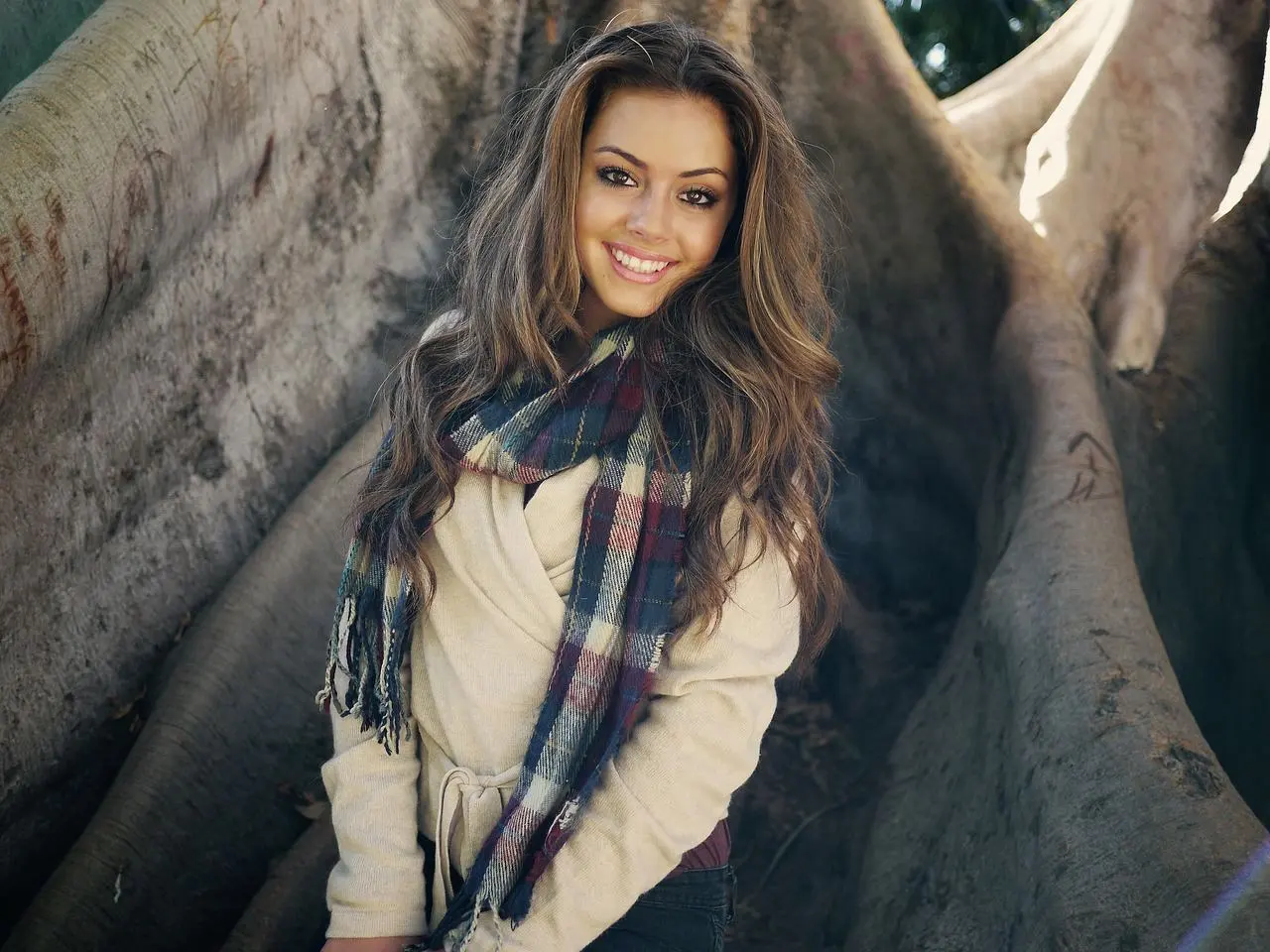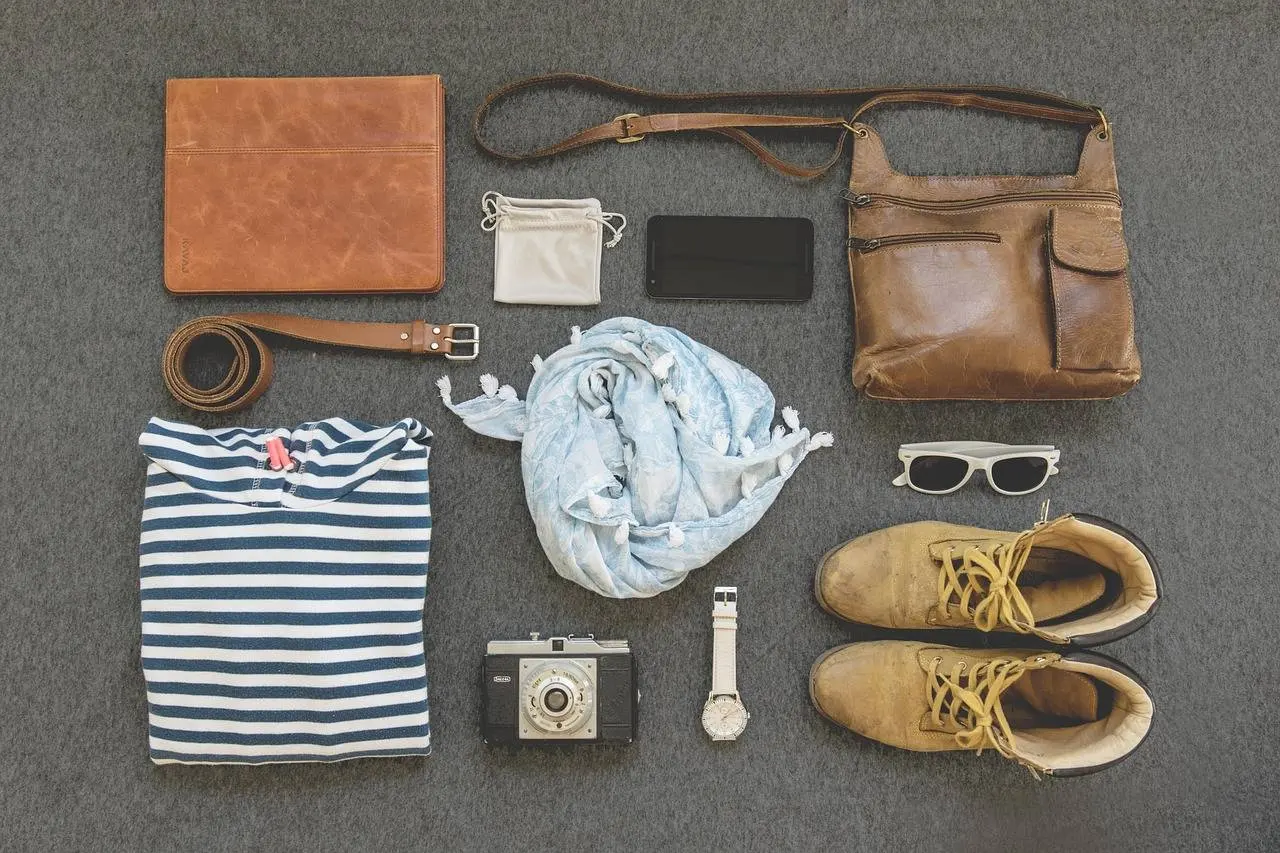
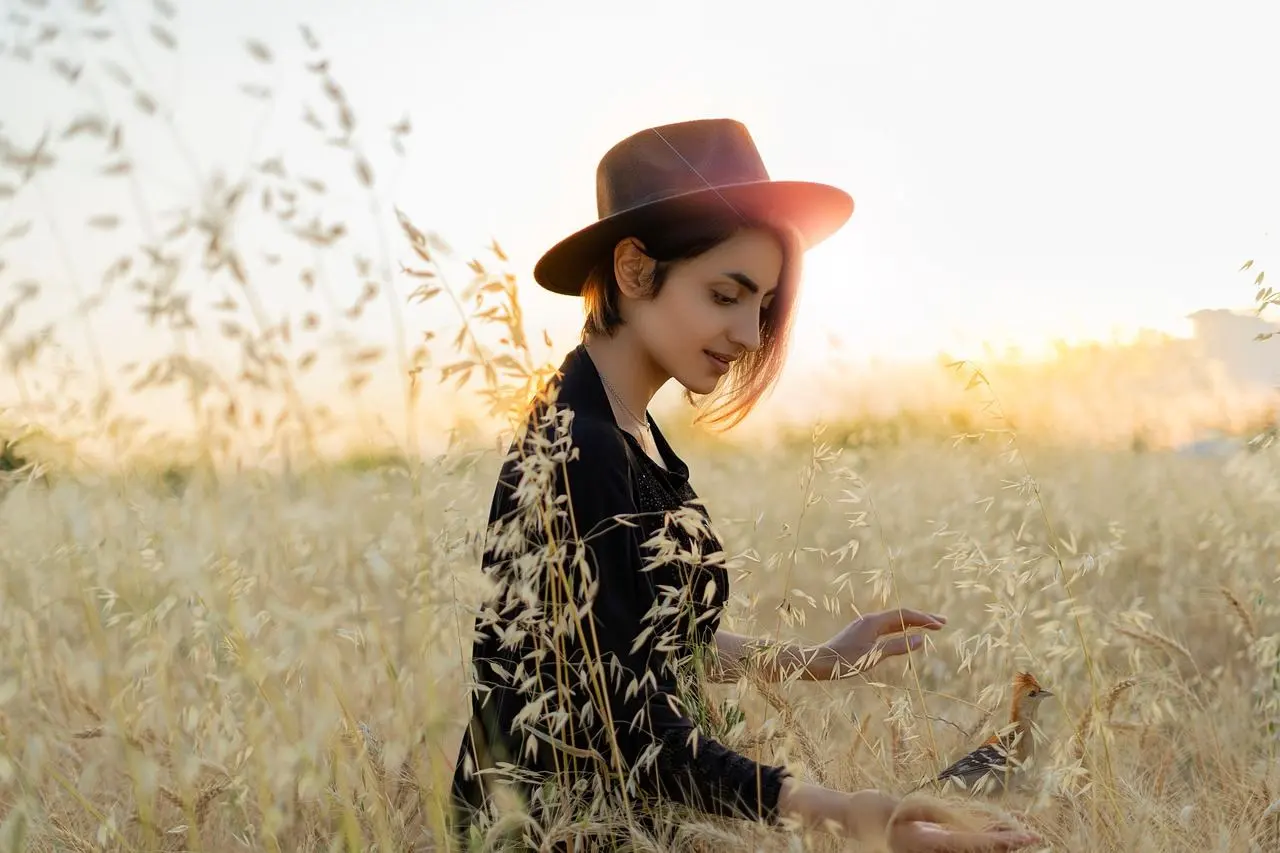
Not sure how to wear bohemian style clothing without looking like a costume? Start with flowing fabrics, earthy prints and loose layers, then finish with accessories. That simple formula covers most boho outfits.
This guide is part of our overview of types of clothing styles, and it focuses on what sets boho apart.
| Item | Value |
|---|---|
| Name origin | French “bohémien”, for Roma people wrongly assumed to come from Bohemia |
| Murger’s novel Scènes de la Vie de Bohème | 1851 |
| Paul Poiret founded his Paris house | 1903 |
| Woodstock festival | 1969 |
| Boho resurgence on the runway (WWD, November 2024) | 2024 |
The facts above come from Glamour Daze and WWD’s boho history on Yahoo Style. Dates and trend claims can change as sources are updated, so check the source before you rely on them.
What defines bohemian style clothing?
Wikipedia describes contemporary Bohemian fashion as flowing fabrics, vibrant colors and natural, woven materials instead of knits, as laid out in its Bohemian style entry. The look is about movement and comfort rather than a fixed set of rules.
A design school guide from IIAD sums up the recipe as relaxed, flowing silhouettes, earthy colours, natural fabrics, heavy layering and plenty of accessories. It adds that the loose shapes skim the figure rather than cling to it.
That gives you five traits to look for when you shop or edit your wardrobe:
- Silhouette: loose, flowy and easy, such as maxi dresses and wide-leg trousers.
- Fabric: natural and woven, with texture you can see.
- Colour: earthy, neutral shades as a base.
- Layers: waistcoats, kimonos and jackets over blouses or dresses.
- Accessories: stacked jewellery, hats and fringe bags.
Marie Claire points out that soft pieces can be worn loose or belted or tied at the back for shape. So boho is not shapeless unless you want it to be.
Where boho clothing comes from
The word starts with bohémien, which Glamour Daze describes as nineteenth-century Parisian slang for the Roma people. Henri Murger’s 1851 novel Scènes de la Vie de Bohème romanticised the artists’ world so well that it became aspirational.
Dress followed the philosophy. In its Bohemian style entry, Wikipedia credits Jane Morris, muse of the Pre-Raphaelite painters, with an unrestricted, flowing style of dress that was unconventional at the time.
Designer Paul Poiret pushed the same idea in fashion. After founding his house in Paris in 1903, he specialised in draping and avoided corsets and petticoats, according to WWD via Yahoo Style.
The hippie era made the look mainstream. Wikipedia says the style draws on the counterculture of the 1960s and 1970s, and its Bohemian style page ties it to the attire of Woodstock attendees. WWD notes that maxidresses, caftans and folkloric clothing were worn at Woodstock in 1969, in its boho retrospective.
Fabrics that give boho its movement
Fabric does most of the work in a boho outfit. Soft, lightweight cloth drapes and swings, which is why natural fibres dominate the look.
- Cotton, hemp, linen and jute: the natural fabrics IIAD names for an earthy, neutral palette, in its guide.
- Gauze and crepe: used, along with cotton, for 1970s-style maxi dresses, says Vintage Lifestyle.
- Crochet and lace: listed by IIAD as wardrobe staples, which suit light tops and layers.
- Suede and fringe: a suede vest adds a rugged, earthy texture to otherwise soft and flowing looks, according to Vintage Lifestyle.
- Chiffon: Stevie Nicks wore chiffon skirts with fringe shawls and suede platform boots, as WWD recounts.
Glamour Daze observes that synthetic fibres gave way to cotton and cheesecloth as the hippie generation embraced bohemian dress, in its history of the style. If a fabric feels stiff or clingy, it probably does not belong in a boho outfit.
Prints and colours: paisley, tie-dye and florals
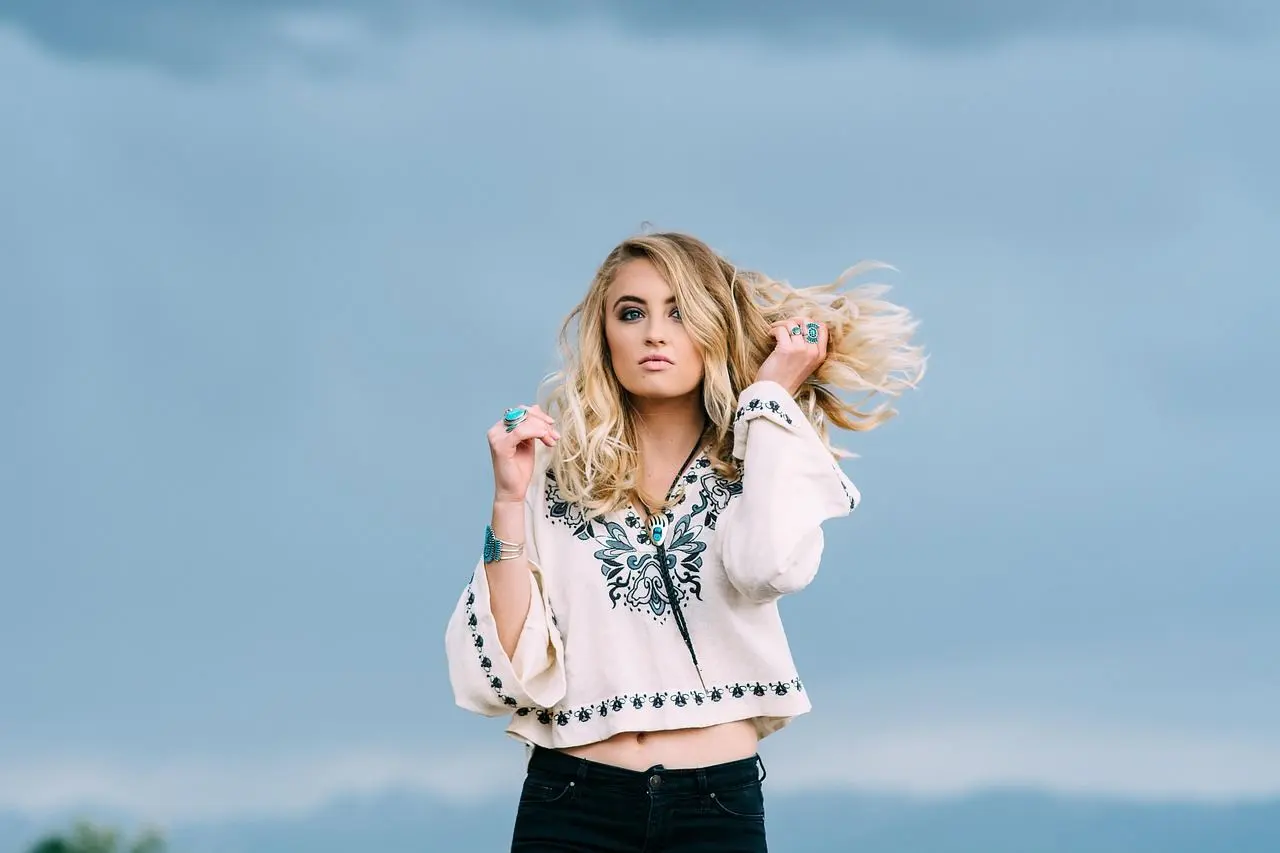
Prints carry the story of the style. Vintage Lifestyle calls paisley, tie-dye and florals emblems of counterculture expression, spirituality and a free-spirited lifestyle.
Marie Claire adds that florals, leaf prints and paisley are often printed over and over on the fabric or embroidered onto it. The American hippie movement also brought in elephant patterns, harem pants and tie dye.
For colour, think of the earth. Vintage Lifestyle lists ochre, rust, mustard and olive green as tones that gave these prints a grounded, vintage feel.
Hippies often customised handmade or thrifted clothing with tie dye, patchwork and macramé, according to WWD. That handmade streak is why one slightly imperfect piece often looks more boho than a perfect one.
How to layer a boho outfit
Layers make the style practical. IIAD says boho is mainly portrayed as spring and summer clothing, yet layering lets it work in any season.
The same guide gives a simple build order:
- Start with one flowy hero piece, such as a maxi dress or wide-leg trousers.
- Layer a kimono or waistcoat over it.
- Add ankle boots or flat sandals.
- Finish with stacked jewellery and a hat.
Harper’s Bazaar India suggests keeping the rest of an outfit simple when you mix rich colours, patterns and textures. A peasant shirt with straight-cut jeans gives a more polished day look, and a belt bag adds a modern edge, the magazine says.
For contrast, our guide to preppy style shows a more polished approach, and a read on what is streetwear shows a more urban one.
Boho today: from boho chic to the runway
The label boho chic took off in the mid-noughties. Harper’s Bazaar India credits stylist Rachel Zoe in part and says that from 2004 to 2007 nearly every It-girl dressed with a bohemian flare.
The look keeps returning. As of WWD’s November 2024 retrospective, bohemian dressing had seen a resurgence in 2024 thanks in part to Chloé’s recent collections, as reported on Yahoo Style.
The same piece notes that Nicks’ fringe shawls and chiffon skirts were later echoed by designers such as Anna Sui, Michael Kors and Hedi Slimane at Saint Laurent. When you shop today, you are buying into a long line of borrowed, layered dressing.
Frequently asked questions
Which fabrics suit bohemian style clothing best?
Show answer
Breathable naturals such as linen and cotton are the safest picks, and softer weaves like gauze or crepe work well for dresses. Skip anything stiff, shiny or tight.
Does boho work on every body type?
Show answer
Mostly yes. Because the shapes are loose and drapey, they do not hug or emphasise the body, and a belt lets you add definition when you want it.
Can you wear boho clothing in cold weather?
Show answer
Yes. Add a waistcoat, jacket or kimono over your base layer and swap sandals for boots, so the same earthy palette carries through colder months.
What is the difference between boho and boho chic?
Show answer
Boho describes the broader free-spirited look, while boho chic is the polished, celebrity-led version that became popular in the mid-noughties, according to Harper’s Bazaar India. Boho chic tends to be more styled and less hand-me-down.