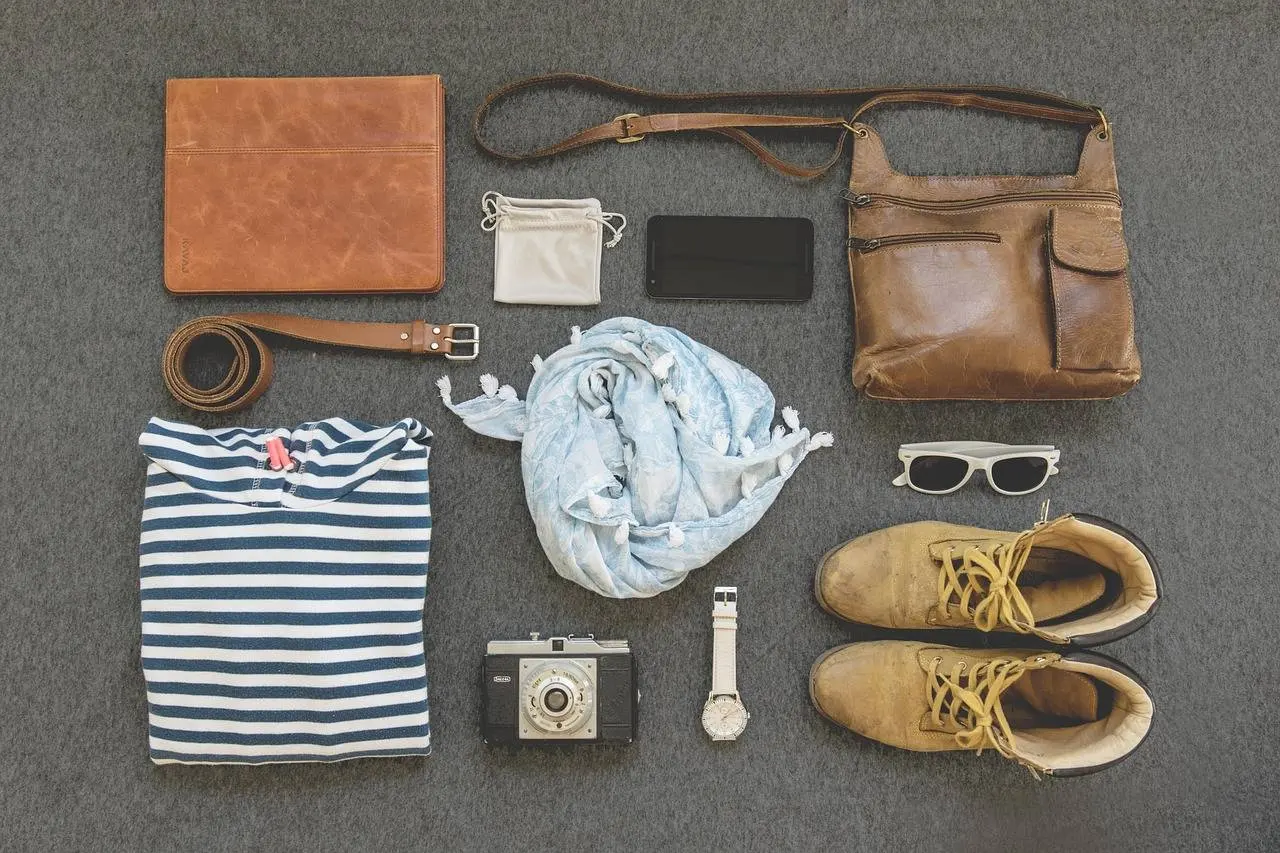
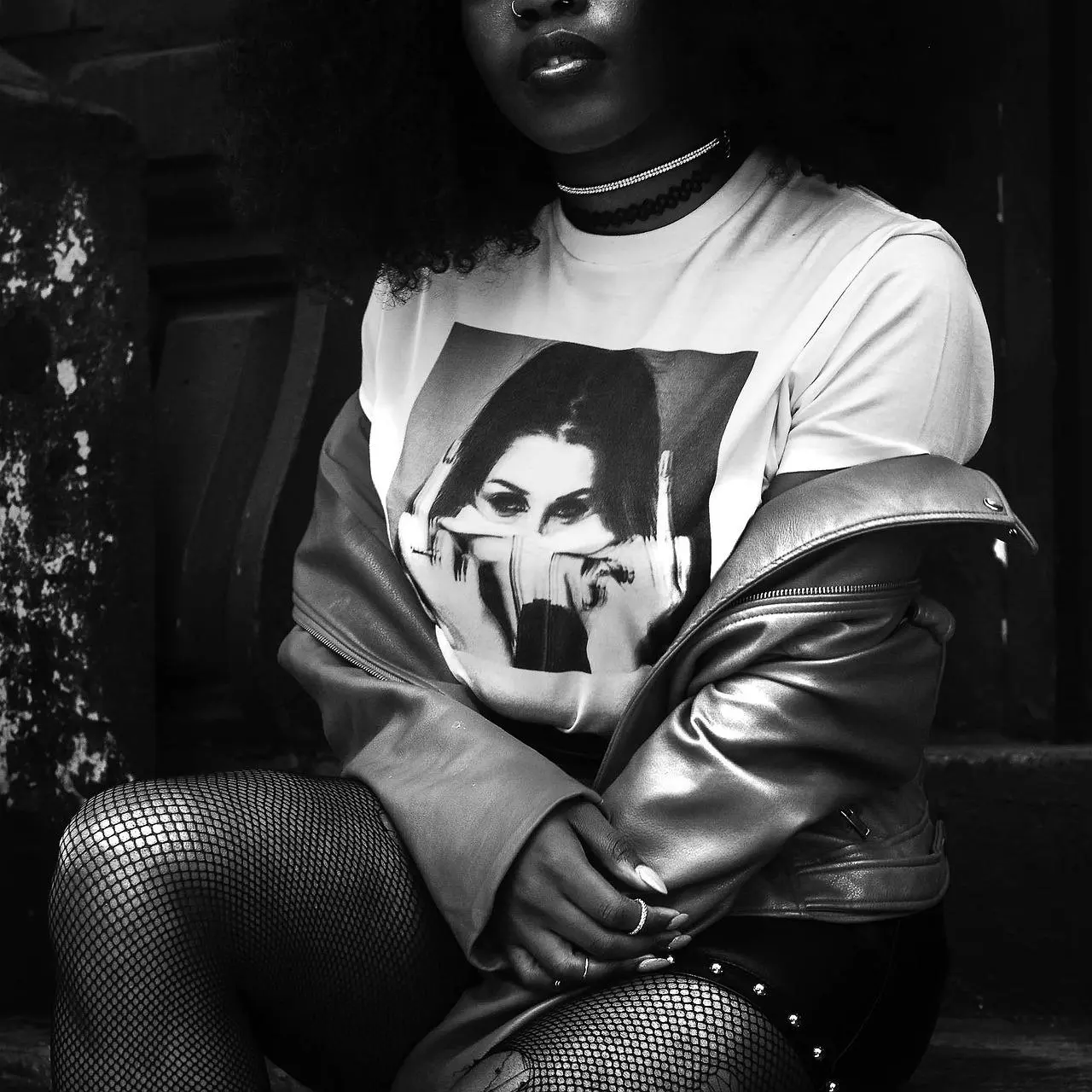
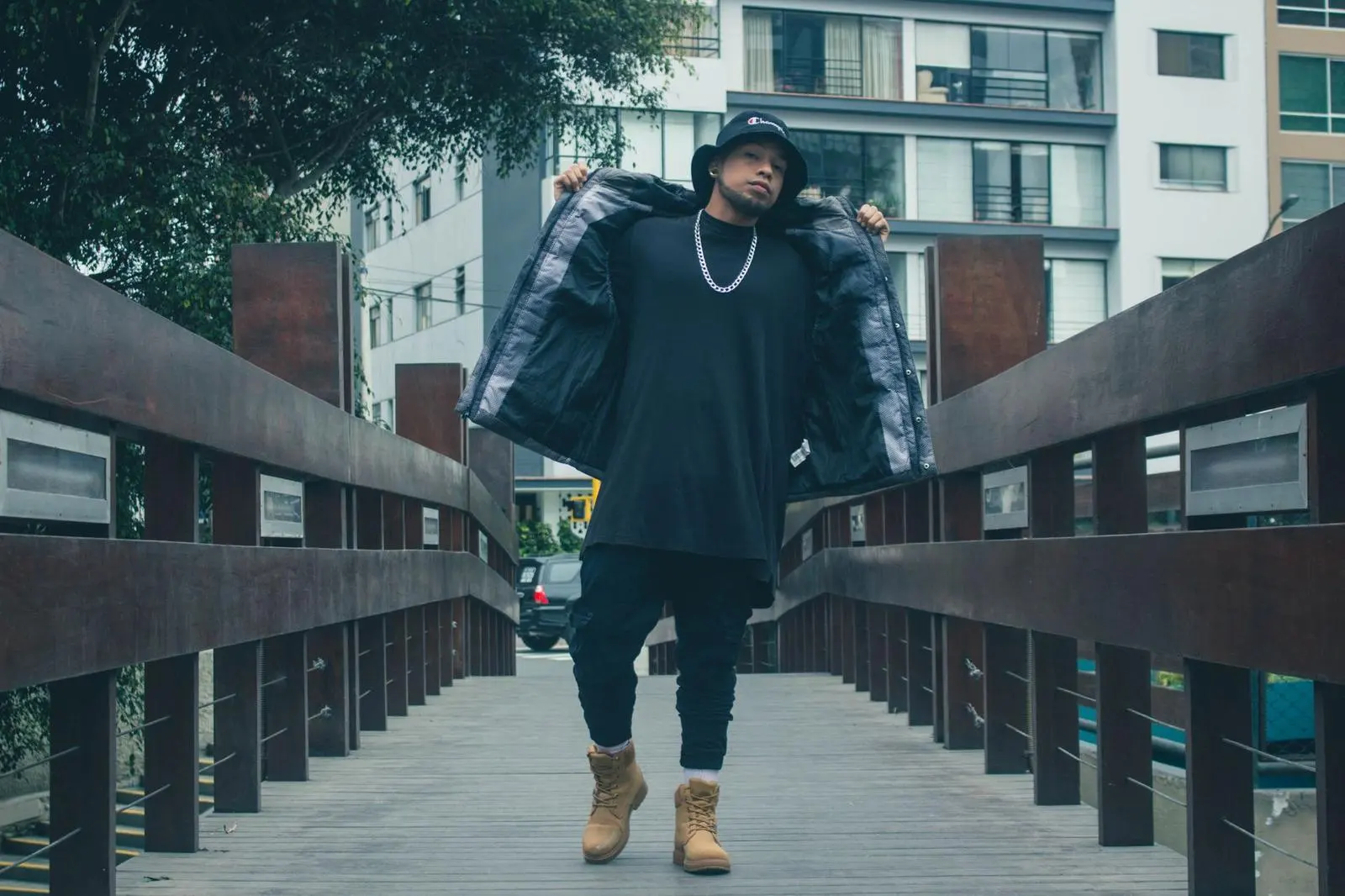
Wondering what is streetwear? It is relaxed, graphic, sneaker-friendly casual clothing that grew out of skate, surf, graffiti and hip-hop scenes, and you’ll spot it in tees, hoodies and caps. Culture, not polish, is the point.
Streetwear is one entry in the types of clothing styles series, so you can compare it with other looks as you read.
| Milestone | Year |
|---|---|
| Hiroshi Fujiwara starts his line GOODENOUGH | 1989 |
| Stüssy opens its first New York flagship store | 1990 |
| Nigo starts A Bathing Ape and opens the shop Nowhere | 1993 |
| Supreme starts as a skateboard and clothing shop | 1994 |
These dates come from Complex’s streetwear milestones list and Who What Wear’s history of streetwear. Histories of the scene differ on details, so check the sources before you rely on any figure.
What streetwear actually means
A dictionary would call it fashionable, casual clothes, but Hypebeast’s Streetwear Impact Report says that definition undersells a retail phenomenon rooted in graffiti, hip-hop, skate and surf countercultures.
The same report describes the early appeal as an antidote to elaborate, complicated fashion. People wore T-shirts and hoodies because they liked them, and the uniform tied comfort to self-expression.
No single look defines it, as Quartz points out. Its blend of influences includes:
- casual sportswear and military pieces;
- Americana, hip-hop and “urban wear” influences;
- skate references and workwear.
Streetwear also runs on a different commercial loop from traditional fashion. Hypebeast describes the sale and resale of casual fashion, mainly sneakers and T-shirts, in ways that bypass traditional retail channels.
Where did streetwear come from?
There is no tidy origin story. Complex notes that the term itself did not really lock into place until the early 2000s, and that earlier clothes moved under a looser “underground fashion” banner.
Wikipedia says the style is generally accepted to have been born from the hip-hop scene of New York City in the late 1970s and early 1980s, before it spread west to surf and skate culture. You can read that summary on Wikipedia’s streetwear page.
A few dates help anchor the story:
- 1980: surfboard shaper Shawn Stüssy is already known for punk- and new wave-inspired board art, according to Complex’s oral history of Stüssy.
- 1982: Dapper Dan opens his made-to-order boutique in Harlem, per Wikipedia.
- 1990: Stüssy opens its first New York flagship, a moment Complex credits with turning SoHo into a streetwear destination.
- 1993: Nigo launches A Bathing Ape in Tokyo, again per Complex.
- 1994: Supreme starts out in New York as a skateboard and clothing shop, as Who What Wear recounts.
Tokyo then reworked the look. Complex says Hiroshi Fujiwara, Nigo and their peers gave America’s streetwise silhouettes a sharper eye, better construction and cleaner details.
Core streetwear pieces
Because the category mixes so many influences, it is easier to describe by wardrobe piece than by one look. Each item below has a long history in the scene.
- Graphic T-shirts: Complex says skateboard companies laid the foundations for the graphic tee.
- Hoodies and sweatshirts: Quartz sees an emphasis on graphic tees and sweatshirts across brands from Palace to Cav Empt.
- Baggy jeans and pants: Wikipedia lists baggy or oversized jeans, pants and jackets among the staples.
- Caps: Stüssy’s baseball caps went from sporting good to fashion staple, according to Complex.
- Bucket hats and tracksuits: both appear on Wikipedia’s list, with Kangol named for bucket hats.
- Sneakers: Hypebeast calls sneakers from adidas and Nike cornerstones of the streetwear uniform.
Sneakers deserve a closer look. By the late 1980s, sneaker collecting was an established part of the subculture, driven partly by Air Jordans, according to Wikipedia.
Key streetwear brands to know
Hypebeast’s report names founding fathers such as Supreme, BAPE and Stüssy, plus newer players such as Palace. Here is how a few of them differ, with context from the report:
- Stüssy: started by a surfboard shaper, and Complex says it is widely considered the first true streetwear brand.
- Supreme: known for its dedicated Thursday “drops,” which Who What Wear says keep people talking about the brand.
- A Bathing Ape: Japanese label whose US foothold, per Complex, came once Pharrell became a total BAPE stan.
- Off-White: a brand Quartz describes as often pegged as a fashion-streetwear hybrid.
This list is editorial. It contains no affiliate links, and no brand named here is owned or endorsed by this site.
How streetwear went mainstream, and why some designers push back
Money followed culture. Quartz reports that a 2017 stake sale reportedly valued Supreme at $1 billion, while Hypebeast puts the Carlyle Group deal at an estimated US$500 million. Valuations clearly vary by source.
Luxury noticed too. Hypebeast says a 2017 Supreme and Louis Vuitton collaboration marked a turning point, and that Vuitton named Virgil Abloh creative director of menswear in 2018 (report).
Shoppers explain part of the appeal. In Hypebeast’s consumer survey, 70% of respondents liked streetwear because it is cool and 57% called comfortable clothes a key factor. Meanwhile, 76% of surveyed industry executives expected significant growth over the next five years (source).
Not everyone likes the label. Designer Nasir Mazhar told The Guardian in 2016 that he saw it as belittling, because he associated it with brands that mainly make T-shirts and sweatshirts, as Quartz recounts.
Critic Charlie Porter argues that fashion and luxury are too often treated as synonyms, according to the same Quartz piece. That, in his view, undervalues designers who focus on sweatshirts and track pants.
How to start wearing streetwear
You don’t need a rare release to get the look. Follow these steps and adjust to your own taste:
- Pick one anchor piece, such as a graphic tee or hoodie.
- Choose a relaxed fit. Complex describes the early look as baggy, oversized and full of attitude.
- Add sneakers, the footwear staple of the style.
- Finish with a cap or bucket hat.
- Mix in a workwear or sportswear piece, since the style has always blended them.
If you prefer cleaner, quieter lines, the minimalist fashion style guide shows a very different approach.
If flowing, earthy layers appeal more, bohemian style clothing is the better comparison.
Frequently asked questions
Who started streetwear?
Show answer
Many point to Shawn Stüssy, whom Who What Wear says is often credited as the originator of the whole movement. Other accounts stress New York’s hip-hop scene, so the honest answer is that several scenes fed into it.
Why are some streetwear pieces so hard to buy?
Show answer
Wikipedia says many brands limit production through artificial scarcity to drive demand, which leads to limited releases and resale markets. Hypebeast adds that products from original brands often resell at a high price due to scarcity (Wikipedia).
Is streetwear only for men?
Show answer
It began male-dominated, and Quartz says the culture around it still is. Even so, Hypebeast says it is now adopted by all genders and runs from luxury to mall brands (report).
Is streetwear the same as street style?
Show answer
Not quite. Wikipedia notes that people define streetwear in several ways, and one of them is as a generalized synonym for any place’s street fashion, so the terms overlap without being identical (page).