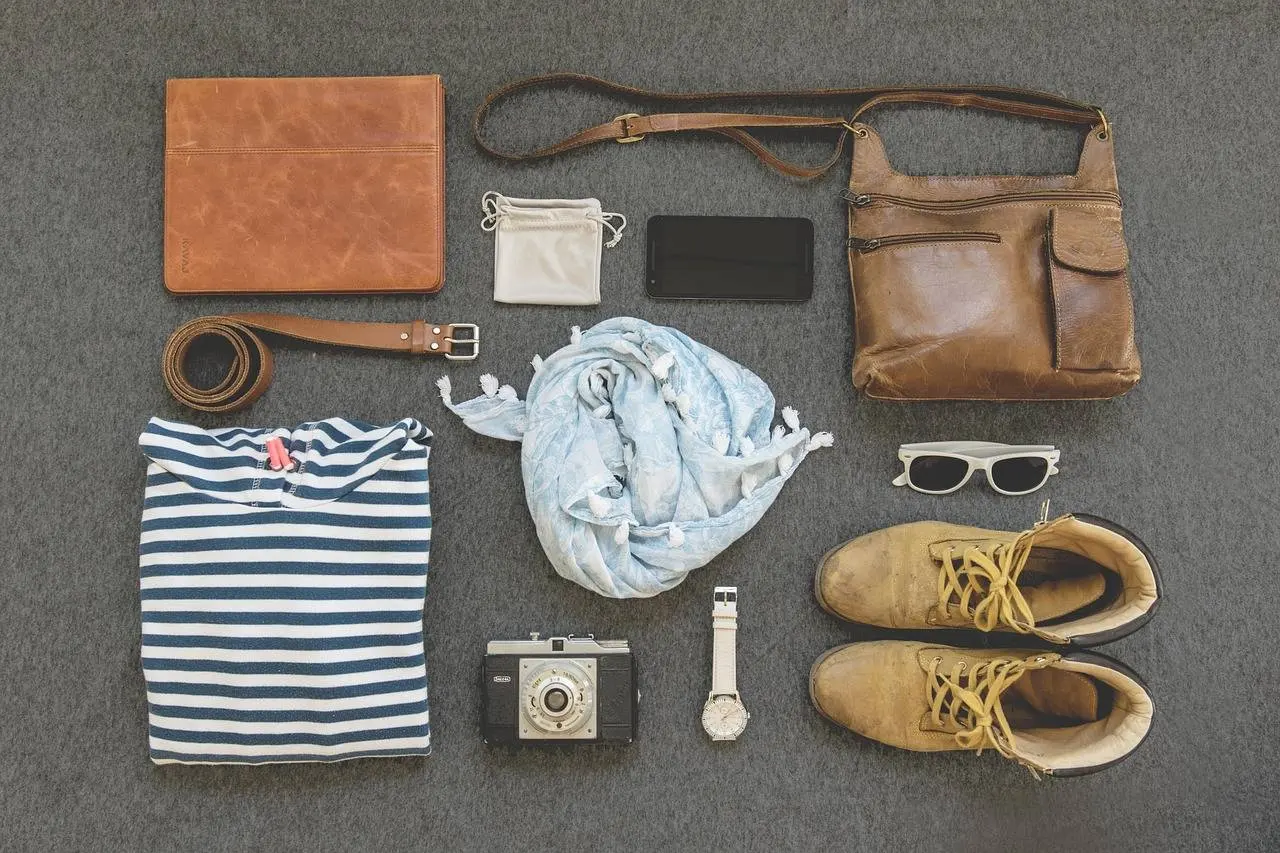
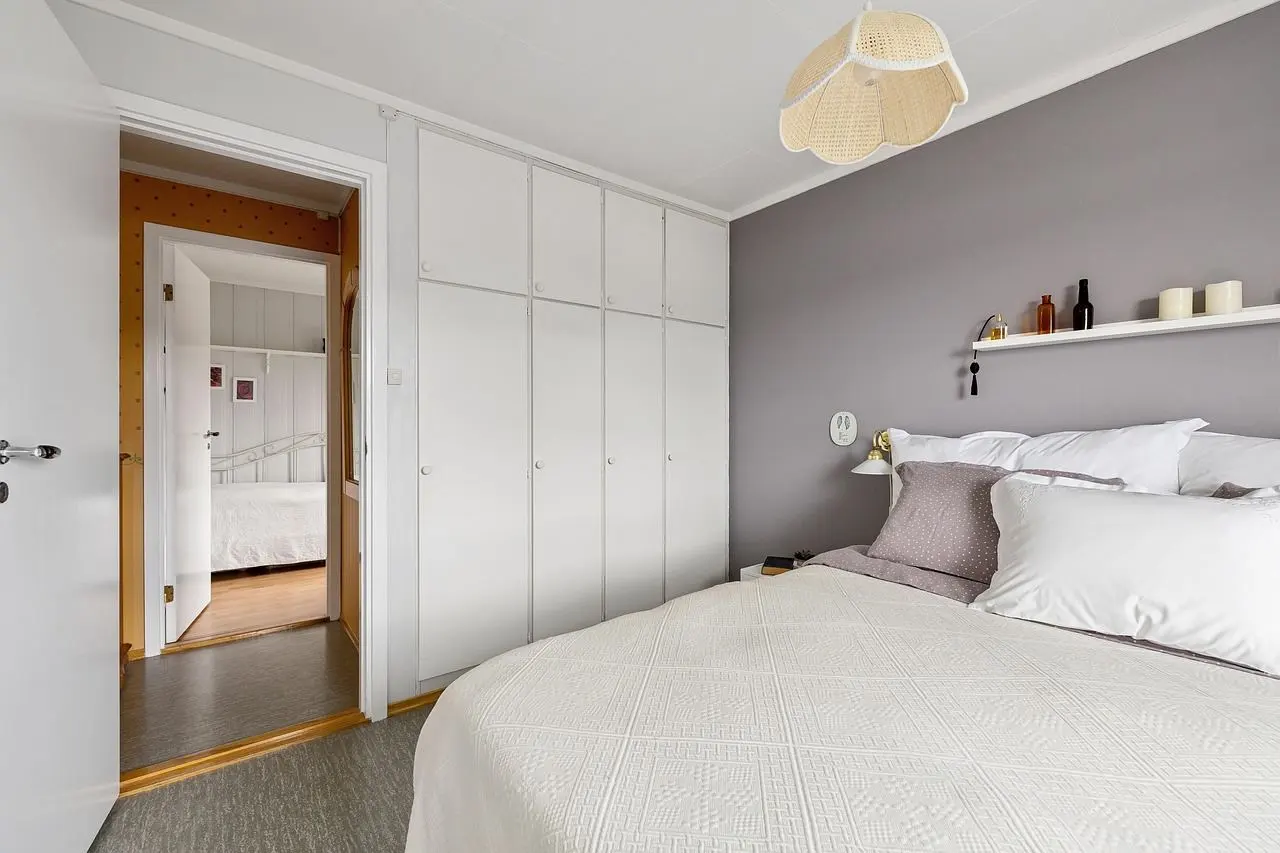
Wondering how to wear a minimalist fashion style without a boring closet? Start with fewer, better pieces in a tight palette that mix and match. You’ll dress faster, spend less and still look like yourself.
This guide sits within our wider look at types of clothing styles, so you can compare minimalism with other approaches.
| Item | Value |
|---|---|
| Capsule wardrobe term revived by Susie Faux | 1970s |
| Donna Karan’s “7 Easy Pieces” collection | 1985 |
| Capsule wardrobes first appear in American publications | 1940s |
| Item count one guide cites for a capsule closet | 33-37 items |
| Share of US textiles thrown away | 85% |
These figures come from Wikipedia’s capsule wardrobe entry and a Sustainable Jungle guide. They can change, so check the sources before you rely on them.
What is a minimalist fashion style?
At its core, minimalism in clothing is about reduction: stripping away extraneous embellishment so shape and fabric do the talking, as Varsity’s history of minimalist fashion explains.
Most people picture clean lines, crisp tailoring and a black, white and grey palette. That picture doesn’t always match the ethos of pioneers such as Balenciaga, Comme des Garçons and Paco Rabanne, according to the same Varsity piece.
The wardrobe version of the idea is the capsule wardrobe. Wikipedia defines it as a minimalist collection of clothes that can be put together in different ways to cover a variety of outfits and occasions. It is usually built from “key” or “staple” items in coordinating colours.
You don’t have to follow a rigid recipe. The Sustainable Jungle guide points out that there is no set formula for a minimal closet, because a fixed count rarely suits everyone.
Where minimalist fashion came from
The look has a longer story than most trend pieces suggest. Here are the milestones the sources mention:
- 1920s: Western minimalism can be said to have begun with Coco Chanel and her innovations in women’s clothing, per Varsity.
- 1940s: the phrase “capsule wardrobe” showed up in American publications, as Wikipedia records.
- Early 1960s: minimalism emerged as an aesthetic built on the adage “less is more”, according to Sustainable Jungle.
- 1970s: London boutique owner Susie Faux revived the capsule term, per Wikipedia.
- 1985: Donna Karan released her “7 Easy Pieces” collection, a set of seven interchangeable work-wear pieces, as Wikipedia notes.
The style then became easier to wear. Varsity says the 90s brought a more accessible minimalism through designers like Calvin Klein and Donna Karan, with the focus back on how wearable the garments were.
Japanese design shaped the look too. Issey Miyake drew on the kimono to explore the “space between the body and the fabric”, a point the Varsity article highlights.
How to build a pared-back wardrobe
Building a minimalist closet is mostly an editing job. The steps below follow the walkthrough in Sustainable Jungle’s guide.
- Take stock. Look at everything you own, and start with easy questions such as whether a dress has gone unworn for a year.
- Run through a typical week. Count the outfits you actually wear, not the ones you imagine wearing.
- Separate need from want. Work clothes and daily basics come first; extras come second.
- Think seasonally. Someone living in Florida has little use for a pile of old winter coats.
- Let go of excess. Be honest about what you truly love to wear and what you only want to love.
The guide’s own advice for the hardest stage is simple: be honest. You will second-guess yourself, and that is normal.
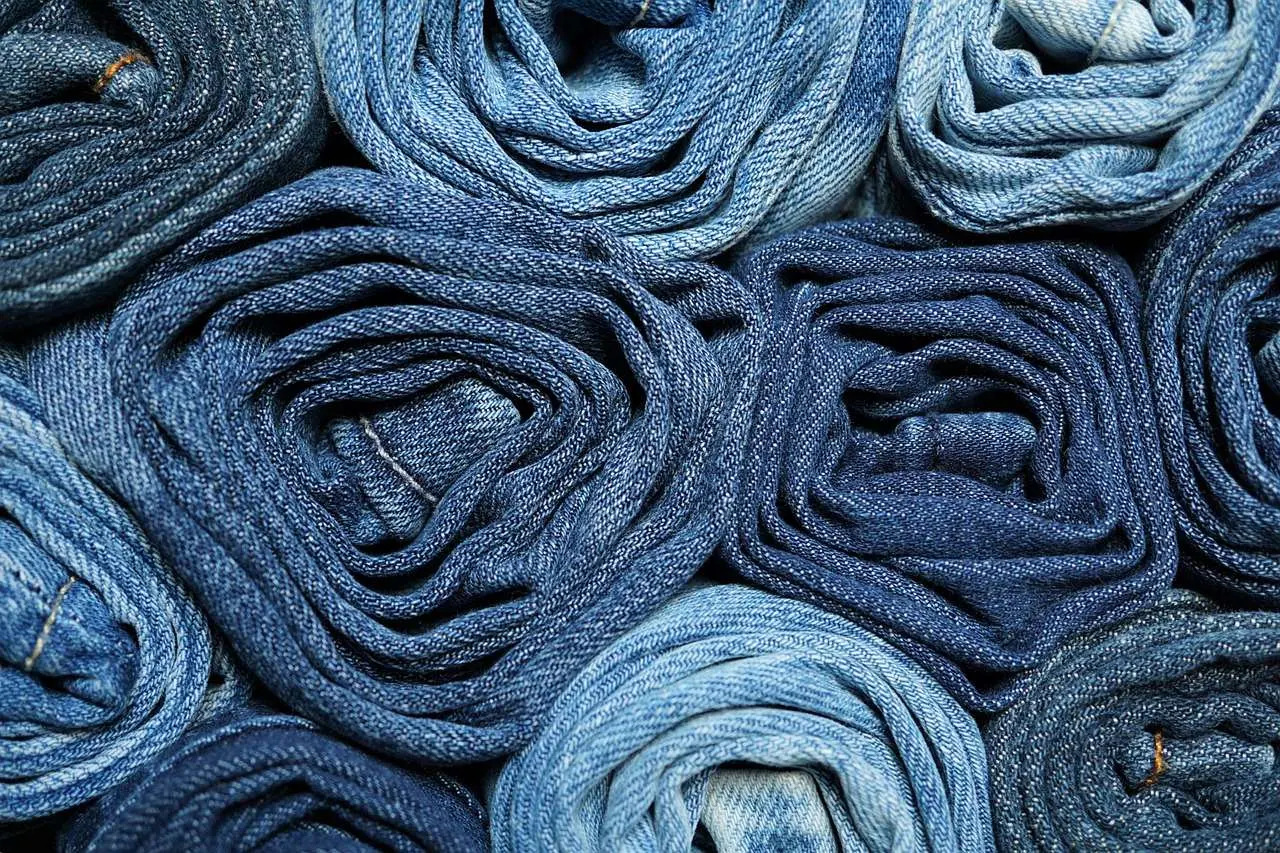
Which pieces belong in a minimalist wardrobe?
The Wikipedia entry gives sample women’s and men’s lists that share a core of jeans, T-shirts, a blazer, trousers, a coat and a few pairs of shoes. The Sustainable Jungle checklist adds practical detail for everyday life.
- One or two pairs of jeans in different colour washes for versatility.
- A few basic layers, like T-shirts and tank tops, that work alone or under other pieces.
- Mid and outer layers such as sweaters and cardigans.
- A light jacket that repels wind and water.
- One good all-around pair of sneakers.
- A small handful of dressier items with one pair of dress shoes to match them all.
Treat these as a starting grid, not a rulebook (details are in the checklist). Swap in what your week really demands.
There is a trap to avoid. Kinfolk recalls a time of articles listing the perfect white T-shirt, leather jacket and jeans, with a bland uniformity to the suggestions. Its better ideal is that a capsule wardrobe should make every purchase a special occasion.
Minimalism today: softer, not stricter
Earlier minimalist eras often focused on restraint, uniformity and perfection, according to a London label’s editorial. It argues that the modern version is softer and more connected to real life.
In practice that means texture and ease. The same editorial lists soft wool tailoring, fluid trousers, brushed knitwear and washed cotton shirts, with interest coming from fabric quality, layering and subtle tonal variation.
It also stresses that minimalism today is not about deprivation or eliminating personality, but about clarity. That view fits an RMCAD piece on capsule wardrobes, which describes a minimalist approach that encourages consumers to think carefully about what they purchase and why.
Because dress codes have loosened, relaxed tailoring, premium knitwear and versatile outerwear can move between office, café and travel. That flexibility is a big reason a small wardrobe works, as the editorial points out.
Why a smaller wardrobe can help
The environmental case is stark: Sustainable Jungle reports that in the US, 85% of textiles are thrown away. Buying less means less demand, and so fewer agricultural chemicals, petroleum products and shipping emissions.
For you personally, the same guide lists less clutter, less money spent on clothing and less time deciding what to wear. Stylist Gok Wan goes further, arguing that a capsule wardrobe is an especially important tool in a recession because it lets people look good on a small budget, as Wikipedia reports.
One caution on price. Varsity notes the paradox that when clothes are very simple, attention shifts from shape and fabric to the label, so you may pay for the name written inside rather than the design.
If you want a different mood, you could compare this approach with gorpcore style or read about what is streetwear.
Frequently asked questions
How many pieces should a minimalist wardrobe have?
Show answer
There is no magic number. One guide mentions 33-37 items as a benchmark but admits that count isn’t practical for everyone, so judge your closet by the outfits you really wear (see Sustainable Jungle).
Is a capsule wardrobe the same as minimalist fashion?
Show answer
Not exactly. Sustainable Jungle says minimalism is commonly linked to the capsule idea coined in the 1970s, yet a capsule is not the only way to get a minimalist closet.
Does minimalist style mean wearing only black and white?
Show answer
No. Black, white and grey are a big part of the look, but Varsity argues minimalism is more than that, and softer neutrals and tonal dressing are common in newer takes.
Can I build one on a small budget?
Show answer
Yes, and that is much of the appeal. Wearing and re-wearing a few well-chosen pieces is the idea behind the approach Gok Wan describes in Wikipedia’s capsule wardrobe entry, so start by using what you already own.